

By Noah Garcia — As America presses onward, these are some of the biggest forces shaping the national landscape right now:
Economy continues to lag while costs bite households
The U.S. economy expanded at a modest 1.5% annualized pace in the second quarter. Although consumer spending climbed by 3.4%, imports surged—especially in computers and chips tied to artificial intelligence—and chipped away at broader growth. Prices will be closely watched as inflation remains sticky despite slowing momentum.
Meanwhile, consumer confidence has dropped to its lowest level in months. High gas prices—which have stayed above four dollars per gallon in many states—plus rising health care and housing costs are weighing heavily on households trying to make ends meet.
Supreme Court reshapes power and protections
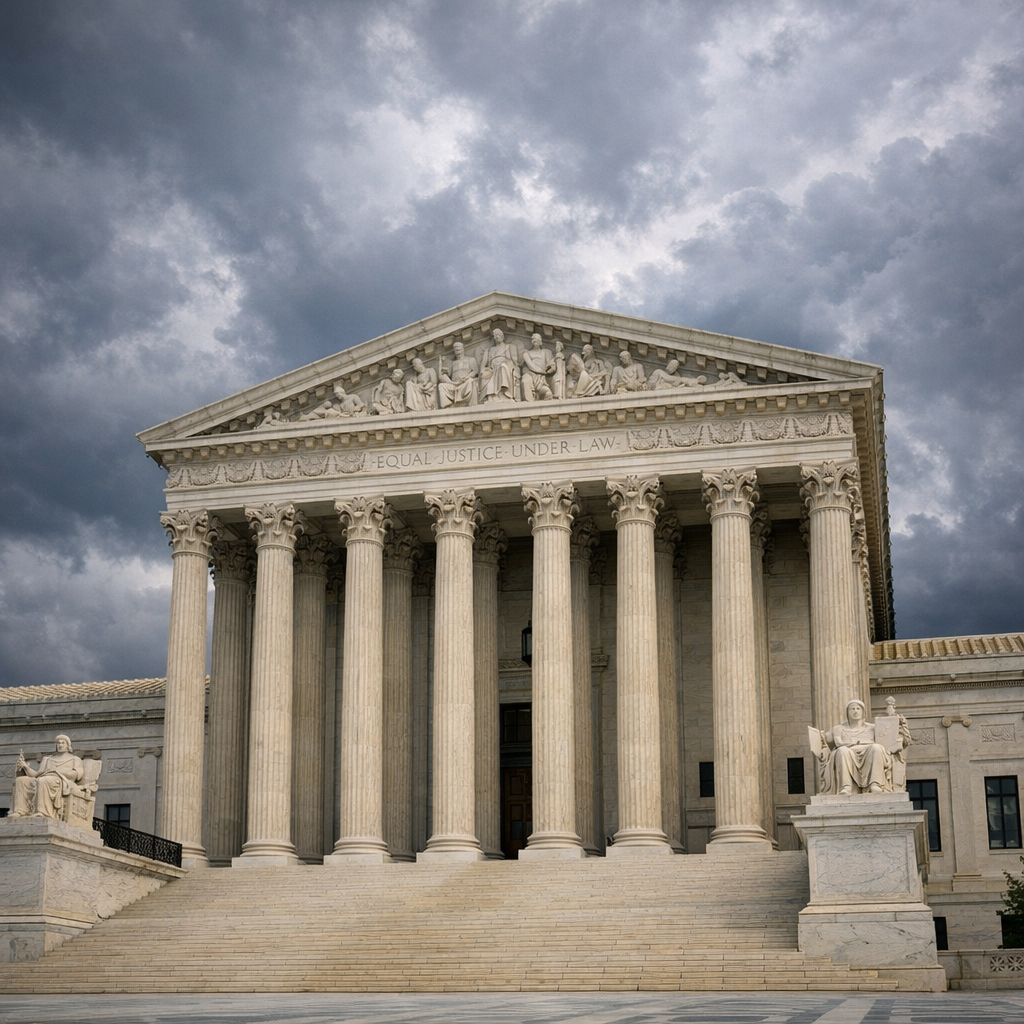
Recent rulings from the Supreme Court have made waves by expanding presidential authority—even while rejecting some of the administration’s broader ambitions. One decision affirmed the president’s power to remove certain federal agency officials, while another struck down parts of a tariff program that had been implemented without clear congressional backing. At the same time, the court blocked efforts to curtail birthright citizenship, affirming that people born on U.S. soil remain entitled to it under law.
These shifts signal an ongoing tension between expansive executive claims and constitutional limits, a theme that will likely animate legal and political battles for years to come.
Midterms loom amid sliding support for incumbents
As the 2026 midterm elections approach, Republican leaders are encountering headwinds—particularly on economic issues. Recent polls suggest shrinking confidence in the ruling party’s handling of inflation, immigration, and health care costs. Job growth has also cooled, with reports showing tens of thousands fewer jobs added in July than many economists expected.
The fading support isn’t isolated to policy areas—public trust in national institutions remains fragile. Many voters struggle with rising everyday costs and are increasingly critical of what they see as a gap between political rhetoric and lived experience.
What this means going forward
America faces a critical moment: policy choices on inflation, tariffs, and regulation will influence not only the economy but confidence in the political system itself. The Supreme Court’s role in defining executive power is more consequential than ever. And with midterms on the horizon, the voices of voters discontented by everyday pressures are likely to shape the national majority.